
Fulbright Chronicles, Volume 4, Number 2 (2026)
Author
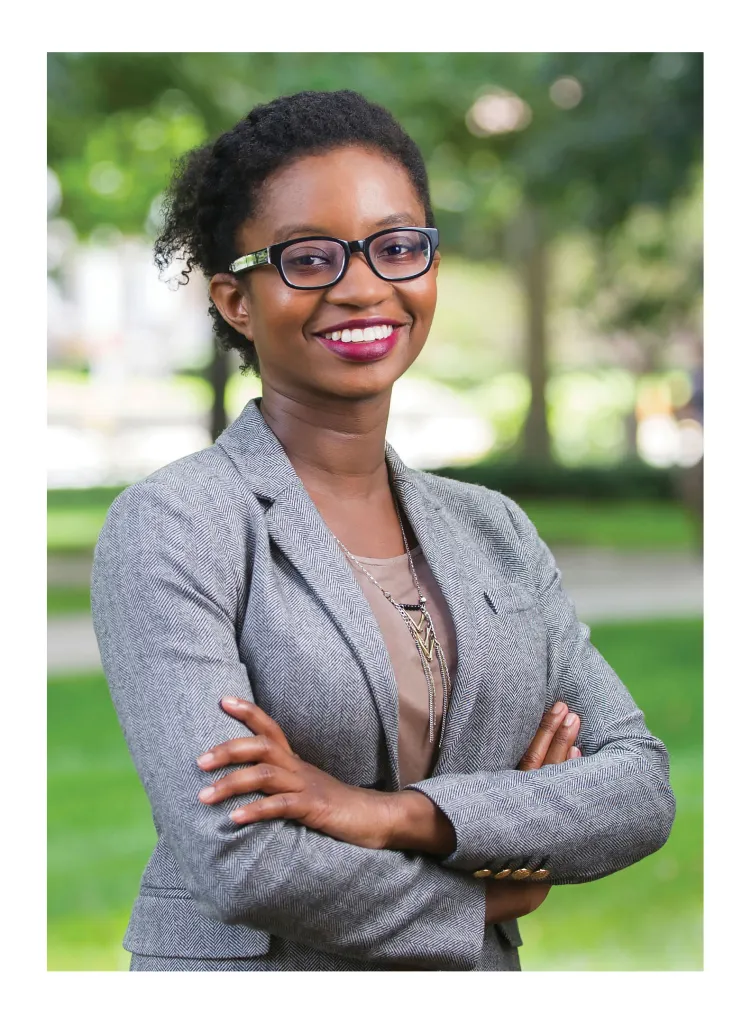
Bethany McGowan
Abstract
Through the Diplomacy Lab and the Fulbright Scholar Program, I explored innovative approaches to tackling global information challenges by integrating service-learning with information diplomacy. These programs demonstrated the
power of education to foster mutual understanding, equip students as citizen diplomats, and address real-world challenges. Reflecting on my experiences in the US and Finland, this article highlights the transformative impact of service-learning on public diplomacy and proposes future pathways for global collaboration through education.
Keywords
Service-Learning • Public Diplomacy • Citizen Diplomat • Fulbright Scholar • Diplomacy Lab
Introduction: A Journey into Global Service-Learning
Global challenges such as misinformation and disinformation pose significant threats to public trust, civic engagement, and democratic values. Addressing these issues requires innovative approaches that combine education, collaboration, and diplomacy. My journey into international service-learning was rooted in a commitment to these ideals, using information as a tool to foster mutual understanding and empower communities. This commitment began during my graduate studies, where foundational experiences shaped my belief in the transformative potential of education and public diplomacy.
A fellowship with the Library of Congress Congressional Research Service (CRS) introduced me to the intricate role of research in shaping public policy and addressing societal challenges. Later, an internship with the US Department of State’s Humanitarian Information Unit provided firsthand experience in using information to support humanitarian efforts and diplomacy. These early experiences emphasized the critical role of trust and information-sharing in addressing complex global challenges, inspiring me to explore how education could play a role in advancing these principles.
This foundation led me to service-learning as a method for bridging academic knowledge with real-world impact. By engaging students in projects that address misinformation, disinformation, and malinformation, service-learning provides a platform for tackling some of today’s most pressing issues. It also instills in students the values of cultural humility, global citizenship, and information diplomacy—the strategic use of information to build trust, foster mutual understanding, and advance collaboration across cultural boundaries.
Through initiatives like Diplomacy Lab and the Fulbright Scholar Program, I have seen firsthand how service-learning transcends borders, connecting academic institutions, public diplomacy initiatives, and local communities. These experiences have reinforced my belief in education’s potential to address global challenges while fostering cross-cultural understanding and inspiring future generations of citizen diplomats.
Laying the Groundwork with Diplomacy Lab
In 2022, I had the opportunity to bring my commitment to service-learning and public diplomacy into focus through the Diplomacy Lab, a US Department of State initiative designed to connect academic institutions with real-world policy challenges. At Purdue University, I led a course titled “Strategies for Identifying Mis/Dis/Malinformation,” a project that engaged students in addressing the growing problem of misinformation. This initiative served as the perfect environment for integrating my prior experiences in public diplomacy with innovative, technology-driven solutions.
Central to the course was the use of AI tools and data analysis, which enabled students to monitor and assess trends in misinformation, particularly on social media platforms. These tools, including social listening platforms and machine learning models, allowed students to gather insights on how misinformation spreads, who it targets, and the narratives it perpetuates. For example, one project focused on identifying patterns in health-related misinformation and proposing community-specific communication strategies to counteract its impact.
This course exemplified the transformative power of service-learning. Students gained firsthand experience with interdisciplinary problem-solving, working at the intersection of technology, policy, and public diplomacy. In addition to the technical skills they developed, students explored the ethical challenges associated with combating misinformation, such as balancing free speech with public safety and understanding the cultural sensitivities required for effective communication.
The Diplomacy Lab also reinforced the importance of collaboration in tackling complex global challenges. Throughout the course, students worked alongside faculty, policymakers, and public health experts, experiencing firsthand how their academic work could contribute to broader societal goals. By the end of the semester, students had developed tools and frameworks that not only addressed specific aspects of misinformation but also contributed to the State Department’s understanding of these issues.
This experience was transformative for me as well. It strengthened my skills in designing curricula that bridge academic theory with practical application and demonstrated the power of integrating public diplomacy principles into higher education. Perhaps most importantly, it served as a stepping stone for my Fulbright Scholar application, where I proposed expanding these efforts to an international context. My Fulbright Scholar proposal was successful, winning me the Fulbright Finland Foundation’s Seeking Solutions for Global Challenges Award. The Diplomacy Lab laid the groundwork for a more ambitious exploration of how service-learning could foster cross-cultural understanding and address global information challenges.
Expanding Impact Through the Fulbright Scholar Program
The Fulbright Scholar Program offered an unparalleled opportunity to expand my work internationally, deepening the intersection of education, public diplomacy, and information literacy. Finland, a country recognized for its innovative approaches to combating misinformation and fostering information literacy, provided an ideal environment to implement a course titled Misinformation Management for Diverse Communities.” This course was designed not only to build on my Diplomacy Lab experiences but also to explore how global contexts influence the application of information diplomacy.
In Finland, students tackled real-world scenarios where misinformation influenced public health outcomes, using tools like data analysis and AI to identify patterns and develop tailored interventions. For instance, students collaborated with local health organizations to address the impact of COVID-19 misinformation on vaccine uptake in rural communities. By leveraging AI insights and cultural knowledge, they designed educational campaigns that resonated with the local population, fostering trust and reducing resistance to vaccination.
The course also highlighted the importance of cultural humility in addressing global challenges. Finnish students brought unique perspectives to discussions, often emphasizing the role of institutional trust and community resilience in combating misinformation. These perspectives not only enriched classroom dialogue but also challenged me to adapt my teaching strategies to better reflect the cultural and social contexts of my host country.
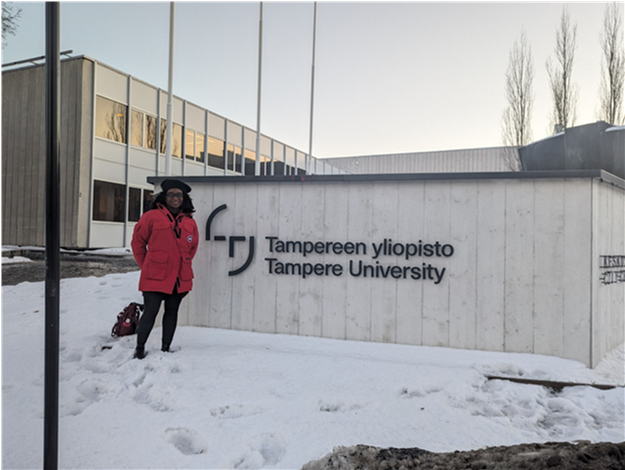
What made the Fulbright Scholar Program especially impactful was the way it allowed me to integrate global and local frameworks. Drawing on insights from the WHO Infodemic Management Training and resources from Tampere University’s WHO Collaborating Centre for Health in All Policies, I was able to connect the global fight against misinformation to local efforts in Finland. This approach underscored the value of combining international best practices with culturally specific strategies to create meaningful, lasting solutions.
The Fulbright Scholar Program also offered opportunities for professional growth beyond the classroom. An Inter-Country Travel Grant allowed me to lecture in Sweden, where I engaged with European scholars working on similar challenges. These interactions expanded my professional network and deepened my understanding of how different countries approach misinformation management. Together, these experiences reinforced the global interconnectedness of these issues and the necessity of cross-border collaboration to address them effectively.
Addressing Global Challenges Through Information Diplomacy
As global challenges such as misinformation and disinformation continue to undermine public trust and civic engagement, the need for innovative solutions grounded in diplomacy has never been more urgent. Information diplomacy, defined as the strategic use of information to foster trust, mutual understanding, and collaboration across borders, was a cornerstone of my work during the Fulbright Scholar Program. This framework provided a lens through which students could explore the ethical, cultural, and strategic dimensions of combating misinformation in diverse contexts.
In the course I taught in Finland, Misinformation Management for Diverse Communities, students were introduced to the principles of information diplomacy and tasked with applying these concepts to real-world problems. Collaborating with local health organizations, media representatives, and academic experts, students examined how misinformation shaped public health outcomes in Finland. They analyzed case studies of vaccine hesitancy, health literacy gaps, and the role of social media in amplifying false narratives. These efforts culminated in projects that ranged from public health communication campaigns to culturally tailored educational materials aimed at dispelling common health-related myths.
A key focus of the course was the ethical use of information in building trust. Students explored questions such as: How can we ensure that information interventions respect cultural values and community norms? What role does transparency play in combating misinformation? These discussions challenged students to think critically about their role as information stewards, not just as communicators but as agents of trust-building in their respective fields.
The service-learning approach further emphasized the importance of citizen diplomacy—the idea that individuals, regardless of formal diplomatic roles, can play a significant part in fostering international collaboration. By considering the needs of Finnish communities, students gained a nuanced understanding of the cultural and social dynamics that shape the spread of misinformation. This hands-on experience equipped them with the skills to apply information diplomacy principles in their future careers, whether in public health, education, or policy-making.
One of the most impactful aspects of the course was its ability to foster cross-cultural dialogue. Finnish students, drawing from their country’s high levels of institutional trust and strong tradition of information literacy, shared insights that broadened the perspectives of their peers. At the same time, international students brought unique viewpoints on the global challenges of misinformation, enriching discussions with comparative approaches. This exchange underscored the value of diversity in tackling complex global issues and highlighted the importance of culturally adaptive strategies in information diplomacy.
Combating misinformation demands a comprehensive approach integrating cultural sensitivity, ethical principles, and strategic communication.
Ultimately, the course demonstrated that combating misinformation requires more than technical solutions; it demands a comprehensive approach that integrates cultural sensitivity, ethical principles, and strategic communication. By positioning students as citizen diplomats, the course empowered them to see themselves as part of the solution to global information challenges. The experience reinforced the idea that diplomacy is not confined to government offices but thrives in classrooms, communities, and everyday interactions where trust and understanding are built.
Long-Term Impact: Lessons Learned and Future Directions
Reflecting on my experiences with Diplomacy Lab and the Fulbright Scholar Program, I see a clear thread connecting these initiatives: the transformative potential of service-learning to bridge academic knowledge with real-world challenges. Both programs have reinforced the importance of equipping students—and faculty—with the tools to address complex global issues like misinformation through a combination of cultural understanding, strategic communication, and information diplomacy.
One of the most significant lessons I have learned is the value of integrating public diplomacy principles into education. The Diplomacy Lab highlighted how academic institutions can collaborate with government agencies to produce actionable insights and solutions to policy challenges. Meanwhile, the Fulbright Scholar Program demonstrated how these principles can be scaled internationally, fostering cross-cultural understanding and collaboration. Together, these experiences underscored the role of higher education in preparing students to navigate a globally interconnected world where the ethical use of information is critical.
These programs have also had a profound impact on my professional trajectory. Through teaching, research, and collaboration, I have been able to explore how information diplomacy can serve as a framework for addressing misinformation and building trust across cultures. Engaging with international colleagues and communities has deepened my understanding of the nuances involved in global problem-solving, from adapting communication strategies to respecting cultural norms. These experiences have enriched my scholarship, inspiring new research directions and collaborations focused on the intersection of information studies and diplomacy.
Looking ahead, I am committed to continuing this work, expanding on the foundations laid by Diplomacy Lab and the Fulbright Scholar Program. One of my primary goals is to develop new service-learning courses that address global challenges in innovative ways, incorporating lessons learned from my time in Finland. I also aim to foster partnerships that connect academic institutions with public policy initiatives, emphasizing the critical role of interdisciplinary collaboration in solving real-world problems.
Finally, I see a growing need to scale the principles of information diplomacy beyond the classroom, creating resources and frameworks that can be adapted by educators, policymakers, and community leaders. Whether through public health campaigns, educational initiatives, or policy advising, I believe that the strategic use of information can help build resilient, informed communities capable of addressing the challenges of misinformation and disinformation in an ever-evolving digital landscape. As I reflect on these experiences, I am reminded of the enduring impact of the Fulbright Scholar Program. By fostering cross-cultural dialogue, promoting mutual understanding, and addressing pressing global challenges, it embodies the values that lie at the heart of public diplomacy. Through its support, I have gained not only professional growth but also a renewed sense of purpose in using education to inspire positive change. This journey has reinforced my belief in the power of service-learning and diplomacy to create a more informed, equitable, and connected world.
Further Reading
- Bateman, J., & Jackson. D. (2024). Countering disinformation effectively: An evidence-based policy guide. 2024. https://policycommons.net/artifacts/11321569/countering-disinformation-effectively/12207375/.
- Hawes, J. K., Johnson, R., Payne, L., Ley, C., Grady, C. A., Domenech, J., Evich, C. D., Kanach, A., Koeppen, A., Roe, K., Caprio, A., Puente Castro, J., LeMaster, P., & Blatchley, E. R. (2021). Global service-learning: A systematic review of principles and practices. International Journal of Research on Service-Learning and Community Engagement, 9(1), Article 11. https://doi.org/10.37333/001c.31383.
- World Health Organization. (2025). Multi-Course Series on Infodemic Management. OpenWHO. https://openwho.org.
Biography
Bethany McGowan is an Associate Professor in the Libraries and School of Information Studies at Purdue University, specializing in service-learning, public diplomacy, and health information literacy. As a Fulbright Scholar to Finland (2023–2024), McGowan taught and conducted research on global health and information challenges, emphasizing the roles of information diplomacy and infodemic management in fostering cross-cultural understanding. Her work integrates academic instruction with public diplomacy frameworks to address global information challenges and promote community resilience. She can be reached at bmcgowa@purdue.edu.